Why Cuban Bakery Aurora CO Is a Local Favorite for Sweet Treats
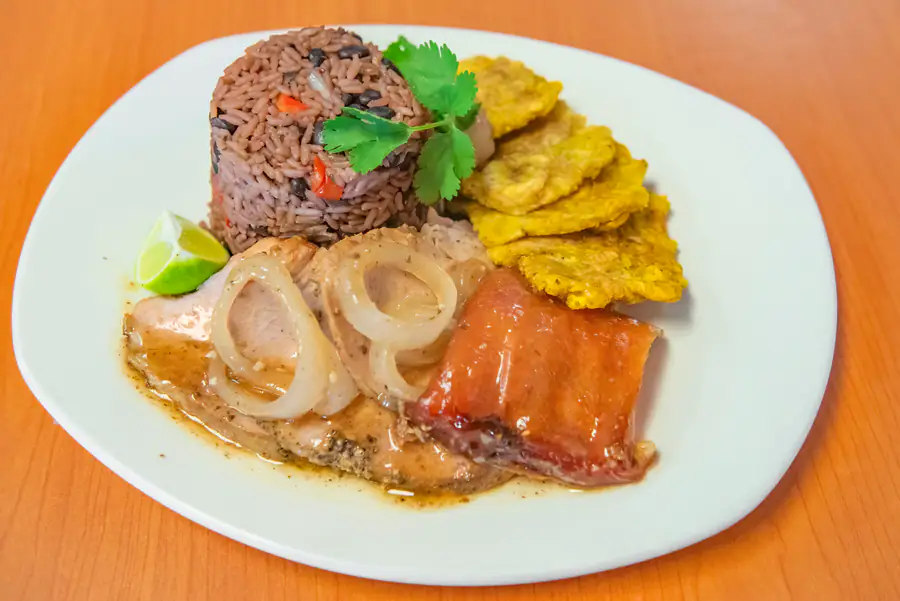
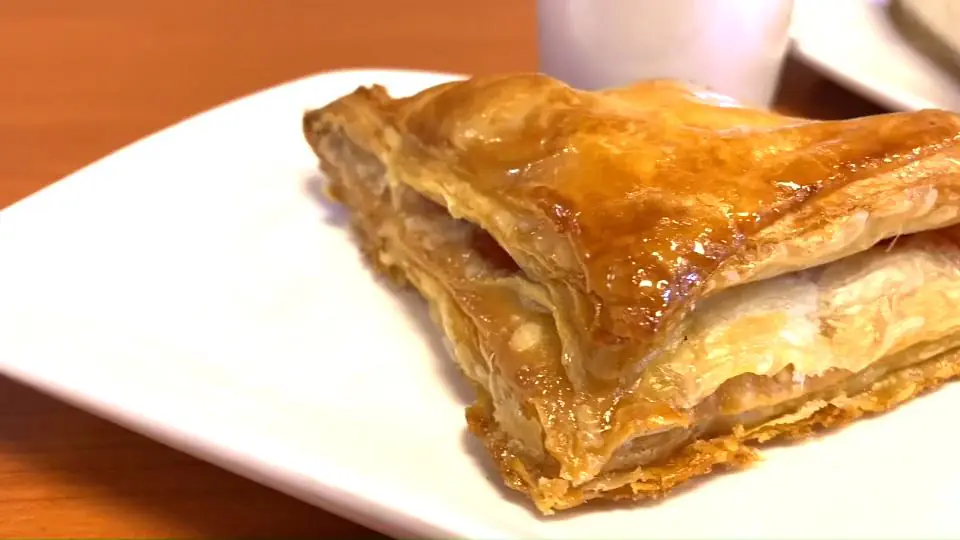
Anyone who spends enough time exploring neighborhood food spots in Aurora notices a pattern. The places that last are rarely the flashiest. They are the ones people talk about at work, recommend to visiting family, and quietly return to on weekends. That is exactly how a Cuban bakery earns its reputation. It becomes part of the local routine.
The appeal of a great Cuban bakery goes well beyond sugar and butter, though those certainly help. It lives in the texture of a flaky pastry that shatters just enough when you bite into it. It shows up in the balance between guava paste and cream cheese, in the steady comfort of strong coffee, and in the fact that someone behind the counter often knows what regulars want before they ask. For many residents searching for a Cuban bakery Aurora CO locals genuinely love, those details matter more than trend-driven menus or polished branding.
Aurora is the kind of city where food cultures overlap in interesting ways. You have families looking for a taste of home, commuters grabbing breakfast before the drive, students meeting friends for a low-key afternoon treat, and curious first-timers who want something different from the usual chain bakery lineup. A strong Cuban bakery can serve all of them because the food lands in that sweet spot between familiar and distinct. It feels generous, comforting, and memorable without trying too hard.
The pull of Cuban baking is both emotional and practical
A lot of bakery loyalty comes down to emotion. People remember certain flavors from childhood, holidays, family visits, or trips that stuck with them. Cuban pastries, breads, and desserts tap into that kind of memory with unusual force. The aroma alone does some of the work. Warm bread, caramelized sugar, espresso, butter, and fruit filling have a way of stopping people mid-conversation.
But the appeal is also practical. Cuban bakeries tend to fit into real life. They are places where you can pick up a quick breakfast, bring a box of pastries to the office, order a cake for a celebration, or sit for a few minutes with coffee and something sweet. That versatility matters in a city like Aurora, where people are often juggling work, school, family schedules, and long drives across the metro area.
The best ones also understand portioning and value. A pastry should feel satisfying, not precious. A loaf of bread should taste fresh enough to justify a special stop. A coffee should be strong and hot, not an afterthought. Local favorites usually earn that status because they get the basics right over and over again.
What sets a Cuban bakery apart from a standard pastry shop
Not every bakery can deliver the same kind of experience because the traditions are different. Cuban baking is shaped by a mix of Spanish influences, Caribbean ingredients, and generations of adaptation. You see it in the use of guava, coconut, sweetened cream cheese, custards, and rich doughs. You also see it in the rhythm of the display case, where savory and sweet often sit side by side.
A standard American bakery might lean heavily on muffins, cookies, cupcakes, and frosted layer cakes. A French-style shop may emphasize laminated doughs, delicate tarts, and restrained sweetness. A Cuban bakery often feels warmer, more direct, and more communal. The sweets are not shy, but they are usually anchored by a strong sense of balance. Guava offers brightness. Cream cheese adds tang. Puff pastry brings structure. Espresso cuts through richness.
That balance is part of why these bakeries gain such a wide audience. People who do not usually seek out very sweet desserts often find something they like because the flavors are layered rather than flat. A guava and cheese pastry, for example, works because it is fruity, creamy, salty, and crisp at the same time. It tastes complete.
The pastries that keep people coming back
Ask regulars why they return to a Cuban bakery, and the answer often starts with one pastry and expands from there. Maybe it was a pastelito de guayaba that hooked them first. Maybe it was a flaky turnover filled with cream cheese, a custard tart, or a slice of tres leches cake that was moist without turning soggy. One great item opens the door, then curiosity does the rest.
The display case matters more than many owners realize. A bakery case should create confidence. People want https://devintusn454.raidersfanteamshop.com/why-cuban-bakery-aurora-co-is-perfect-for-dessert-lovers to see abundance, but they also want signs of freshness. Slightly uneven folds in hand-finished pastry, a gentle sheen on fruit filling, and trays that turn over quickly all suggest real production rather than stale stock. Experienced customers notice those things right away.
Texture is where good bakeries separate themselves from average ones. Sweetness alone can attract someone once. Texture earns repeat business. Puff pastry should have lift and visible layers. Croqueta shells and savory pastries should resist just slightly before giving way. Cake crumb should stay tender without collapsing. Even a simple butter cookie needs enough snap to feel intentional. These details sound small, but they determine whether a pastry tastes made with care or merely assembled.
Coffee is not a side note, it is part of the ritual
No conversation about a Cuban bakery is complete without coffee. In fact, for many customers the pastry is the companion, not the main event. Cuban coffee culture centers on intensity, warmth, and routine. A small, strong coffee can anchor the whole visit. It gives the sweets contrast and shape.
That relationship between coffee and pastry explains a lot about why these bakeries become neighborhood institutions. People do not always have time for a long sit-down breakfast. They do have time for a quick stop that gives them something restorative. A compact espresso-style coffee and a pastry can turn a rushed morning into something more bearable. It is a small luxury, but a real one.
The best shops treat coffee with the same seriousness they give their baked goods. The brew should be bold, clean, and consistent. Milk drinks should not bury the coffee itself. Sugar, if used in traditional preparations, should complement rather than flatten the flavor. When coffee is prepared well, it sharpens the sweetness of guava, deepens chocolate, and brings structure to creamy fillings.
Why Aurora is such a natural home for this kind of bakery
Aurora’s dining scene works because it reflects the people who live there. It is broad, layered, and unpretentious. Residents are willing to support food businesses that offer something genuine, especially when quality stays dependable. A Cuban bakery fits that landscape beautifully because it serves both a specific tradition and a broad public appetite.
There is also a practical advantage. Aurora residents often appreciate places that can handle multiple needs in one stop. A bakery that offers breakfast pastries, coffee, breads, desserts, and perhaps a few savory items becomes useful, not just interesting. Useful businesses become habitual destinations. Habit is what creates loyal customer bases.
That is one reason the phrase Cuban bakery Aurora CO carries weight in local searches and conversations. People are often not just looking for dessert. They are looking for a bakery they can rely on for a Saturday morning box of pastries, a birthday cake, a hostess gift, or a late afternoon coffee break after errands. Reliability is its own form of excellence in the food business.
Freshness decides everything
Bakery customers may not always use technical language, but they know freshness when they taste it. They know when puff pastry has lost its edge. They know when bread was baked too long ago. They know when a cake has been refrigerated into dullness. If a bakery becomes a local favorite, it is usually because it understands timing.
Freshness in a Cuban bakery is especially important because many classic items rely on contrast. Guava filling should remain soft and vivid against pastry that still has crispness. Sweet breads need enough internal moisture to avoid dryness, but they cannot feel dense or gummy. Frosted cakes should hold together while still tasting fresh rather than cold and tired.
This is one of the less glamorous truths behind a beloved neighborhood bakery. Success often depends on production discipline. Baking too little disappoints customers and creates sellouts that feel frustrating rather than exciting. Baking too much leads to carryover product and quality loss. Good bakery operators learn their traffic patterns almost by instinct. They know which trays move fast in the morning, which desserts spike on weekends, and which holidays require extra labor and prep.
Familiarity matters, but so does discovery
The strongest local bakeries strike a subtle balance. They give regulars exactly what they came for, but they also tempt them with something new. If the whole case is unfamiliar, first-time customers can feel hesitant. If everything is too predictable, even loyal customers stop noticing what makes the place special.
Cuban bakeries tend to do this well because their core offerings are approachable. Guava pastries are easy to understand. So are cream-filled items, sponge cakes, cookies, and breads. Once someone trusts the basics, they become more willing to try a dessert they have never had before. That sense of low-risk discovery is good for business. It turns a one-time stop into an ongoing relationship.
For families, this variety is especially appealing. One person may want coffee and something not overly sweet. Another may want a richer dessert. A child may want a cookie or slice of cake. A grandparent may be looking for a flavor tied to memory. A bakery that can satisfy all of them at once becomes an easy choice.
The experience at the counter shapes the reputation
People remember service at bakeries differently than they remember service at full-service restaurants. The interaction is shorter, but it can be surprisingly influential. Helpful counter staff can guide someone through unfamiliar items, explain fillings, recommend pairings, and package delicate pastries so they survive the drive home. That kind of service creates confidence.
It is also one of the reasons local favorites build such durable word of mouth. Customers talk about food, but they also talk about how a place made them feel. Were they welcomed? Did the staff seem patient? Did someone offer a good suggestion when they could not decide? In neighborhood businesses, warmth counts.
This matters even more in culturally specific bakeries, where some first-time customers may not know what to order. A staff member who can bridge that gap without sounding rehearsed does more for the bakery than any social media campaign. Hospitality turns curiosity into loyalty.
What regulars usually look for in a standout bakery
When people become loyal to a bakery, they are often grading it on a quiet internal checklist. They may not say it aloud, but they notice the same things every time they visit.
- Consistent pastry texture, especially in puff pastry and filled items
- Coffee that is strong and dependable, not watered down
- A case that looks fresh, organized, and actively replenished
- Friendly service that helps without hovering
- Prices that feel fair for the portion and quality
None of those traits are glamorous on their own. Together, they build trust. Trust is what transforms a bakery from a place people try into a place people recommend.
Sweet treats are only part of the story
One of the most interesting things about a beloved Cuban bakery is that people often come for sweet treats and stay for the broader menu. Even if desserts lead the way, the bakery may also be part of breakfast, lunch, and holiday celebrations. A person who stops in for a guava pastry may leave with bread for later. Someone ordering a cake may add a box of mixed pastries for the family. That cross-over is a sign of a healthy bakery business.
It also deepens community ties. Food businesses become local anchors when they show up in many parts of people’s lives. A cake for a birthday, pastries for an office meeting, coffee during a rough week, bread for a family dinner, those moments add up. People begin to associate the bakery with comfort, generosity, and reliability rather than a single product.
That kind of attachment cannot be manufactured quickly. It is earned through repetition and standards. The bakery has to be good when customers are celebrating, but also when they are simply hungry on an ordinary Tuesday morning.
How to order if you are visiting for the first time
For first-time visitors, it helps to think less like a critic and more like a regular in training. Start with a small spread that shows range. Choose one fruit-forward pastry, one creamy item, one simple baked good, and a coffee. That mix gives you a clearer picture of the bakery’s strengths than ordering four versions of the same thing.
A practical first visit often works well like this:
- One guava-based pastry, because it is one of the clearest signatures of the style
- One cheese or custard item, to judge balance and texture
- One bread or less sweet pastry, to see how the bakery handles basics
- One coffee, ideally something strong enough to pair with sugar and butter
That kind of order also helps if you are visiting with another person. You can taste across categories and quickly figure out what you would come back for.
Why word of mouth still beats marketing
Many food businesses pour energy into polished visuals and online promotion. Those can help, but bakeries still live or die by direct recommendation. People trust a friend who says, "Get there early, the guava pastries go fast," far more than they trust a glossy ad. The reason is simple. Bakeries are sensory businesses. The product has to perform in real life.
For a Cuban bakery in Aurora, local reputation grows through ordinary channels. A coworker brings in pastries on Friday. A neighbor mentions a cake they ordered. Someone posts a quick photo because breakfast looked too good not to share. None of this feels like marketing, which is why it works.
The businesses that benefit most are usually the ones that keep quality stable even when they get busy. Food traffic can expose weak operations. If service slips badly, if the case looks picked over and neglected, or if pastries vary wildly from day to day, hype fades. When quality holds, word of mouth compounds.
A local favorite earns that title one tray at a time
There is no shortcut to becoming the bakery people mention first. The title of local favorite is not won by one excellent weekend or one photogenic dessert. It is earned in the less dramatic moments, the 7:30 a.m. Coffee handed over without delay, the birthday cake that tastes as good as it looks, the pastry box that disappears in a break room before noon.
That is why the best answer to why a Cuban bakery Aurora CO location becomes beloved is also the simplest. It offers pleasure people can count on. The sweets feel generous. The flavors carry personality. The service feels human. The visit fits into daily life while still offering a small sense of occasion.
For many Aurora residents, that combination is hard to resist. They are not just buying pastries. They are buying consistency, comfort, and a little brightness in the middle of a busy day. When a bakery delivers that often enough, it stops being just another place to pick up dessert. It becomes part of the neighborhood’s shared appetite, and that is when local favorite turns from compliment into fact.
Cuba Bakery & Café
15028 E Mississippi Ave, Aurora, CO 80012
+1 303-752-2822
FAQ About Cuban bakery Aurora CO
What are Cuban pastries called?
Many small Cuban pastries are called pastelitos. They can have sweet or savory fillings, such as guava, cheese, guava and cheese, or seasoned meat. Cuba Bakery & Café lists guava, cheese, guava-and-cheese and beef pastries on its menu. Ask the bakery about current availability and ingredients when ordering.
What are traditional Cuban pastries?
Common Cuban bakery choices include flaky pastelitos filled with guava, cheese or meat. Cuban bakeries may also offer empanadas, breads and desserts alongside coffee. Cuba Bakery & Café lists pastelitos, several empanada fillings, pan Cubano and desserts such as tres leches and bread pudding. Selection can vary, so confirm the day's choices with the bakery.
What makes Cuban bread different?
Cuban bread is known for its light interior and a thin crust that becomes crisp when toasted or pressed. Traditional recipes often use lard, although ingredients vary by baker. It is commonly served as buttered toast or used for Cuban sandwiches. Cuba Bakery & Café lists pan Cubano and tostada on its menu; ask staff about the ingredients in their bread if you have dietary restrictions.